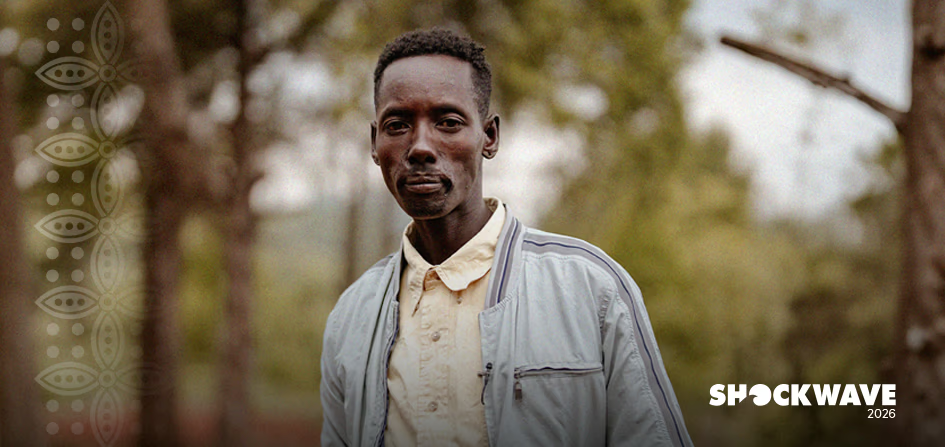
Paragraph 1: In a remote area in southern Ethiopia, the gospel has reached communities previously untouched by Christianity. The region where the Hamar live is characterized by isolation, lack of paved roads, and limited infrastructure. In this context, the Christian faith has emerged among the Hamar people, with accounts of conversions linked to local testimonies, including that of Mama Alemu.
Paragraph 2: Local partners of Open Doors visited the area for the first time, located about 700 kilometers from the capital, Addis Ababa, and found small Christian communities already established. The local Christian presence was recognized among residents, with reports that persecution can occur even as believers practice their faith. Mama Alemu's story highlights cultural practices such as initiation rituals for young people and violence against women, as well as the existence of a tradition called mingi, historically condemned, which involves the alleged killing of children deemed defective.
Paragraph 3: Mama Alemu’s conversion begins with the hope that his mother could be healed after she became gravely ill and turned to a traditional witch doctor. A Christian visitor suggested that her healing could come through faith in Jesus. Following this, Mama Alemu studied the Bible, returned to his village to share the message, and faced resistance from family and the broader community who feared losing cultural rituals. The narrative also notes moments of threats during church gatherings, including assaults and an intrusion aimed at silencing the believers.
 My
My