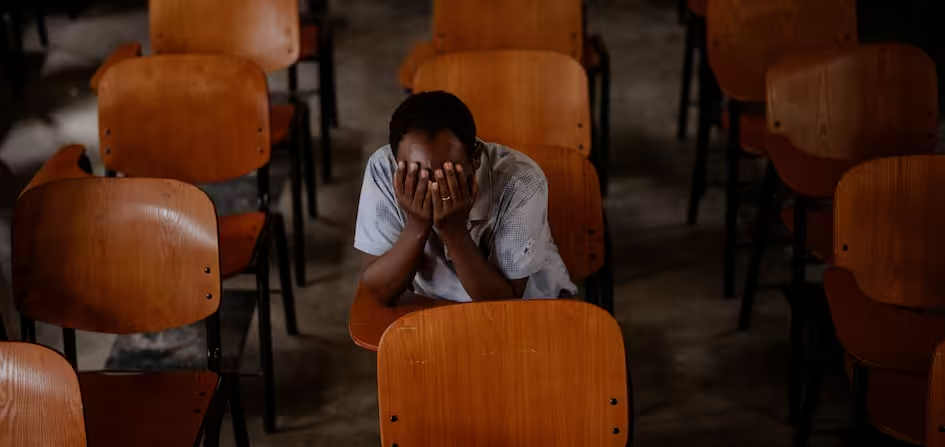
Since 2021, Christians in Myanmar have faced ongoing conflicts between the Military Junta and rebel groups, a situation intensified by the coup that brought the military to power. Persecution, already present, became more acute as authorities linked Christians to rebel support, leading to attacks on churches. The economy deteriorated and prices for basic goods rose, making access to food, fuel, and essential services challenging.
In 2025, a earthquake measuring between 7.7 and 7.9 struck Sagaing, the country’s second-largest city, further unsettling the population. Some Christians chose to restart and support one another amid the volatility, trying to preserve faith and community life despite continuing impacts.
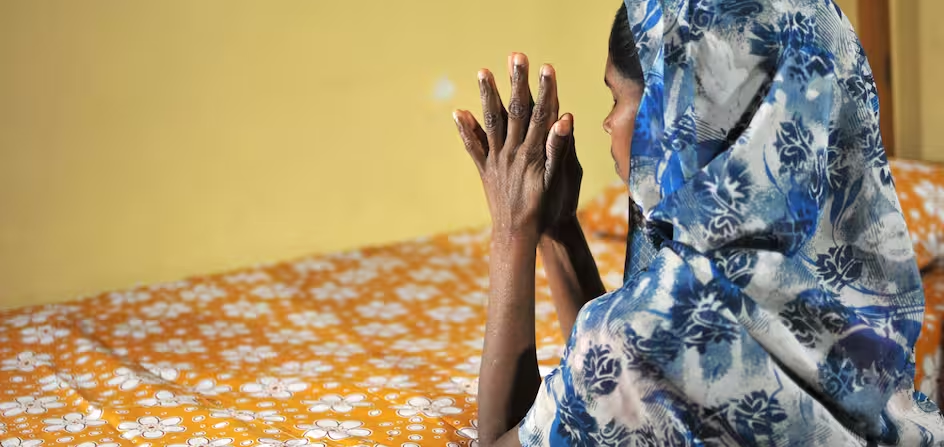
Abigail, a pseudonym for a pastor’s wife, describes how faith shaped daily life amid discrimination in school, limited access to public services, and periodic attacks during worship gatherings. She notes that acts of kindness and prayer helped families stay, though some faced communal rejection. The earthquake amplified distress, with damaged homes and church buildings, and a drop in church attendance affecting offerings and pastor salaries. Many leaders faced difficulties and some considered leaving the region. Yet, the disaster also spurred resilience as partners and Christians in unaffected regions provided aid, including trauma care for adults and children. The long-term effects include structural damage and ongoing fear that disrupts ministry, but communities are expressing a renewed ability to rebuild and support one another, including sharing resources with non-Christian neighbors.
 My